

In recent years, both MDMA and cannabis have gained significant attention for their unique effects and potential benefits. While they are distinct substances, both have sparked extensive research and interest in the realms of recreational use and therapeutic potential. In this post, we will delve into the differences between MDMA and cannabis, how they work, and why they have become so popular in today’s society. If you’re interested in learning more, you can buy MDMA for sale for your research or personal use.
Understanding MDMA: What It Is and How It Works
MDMA, commonly known as “Ecstasy” or “Molly,” is a synthetic drug that falls under the category of empathogens or entactogens. It is often associated with the rave and clubbing scenes, where its stimulating and empathogenic effects create a sense of euphoria, emotional closeness, and heightened sensory experiences. MDMA works by increasing the activity of neurotransmitters in the brain, particularly serotonin, dopamine, and norepinephrine. The surge in serotonin levels is responsible for the feelings of happiness, bonding, and emotional openness that users experience.
The Therapeutic Potential of MDMA
Beyond its recreational use, MDMA has shown promise as a tool for therapeutic purposes. In recent clinical trials, MDMA has been used to treat post-traumatic stress disorder (PTSD) and anxiety disorders, especially in patients who have not responded well to conventional treatments. The drug’s ability to enhance emotional openness and reduce fear and defensiveness makes it an ideal adjunct to psychotherapy. As research continues, MDMA’s role in mental health treatment is likely to expand.
Cannabis: A Familiar Companion in Modern Wellness
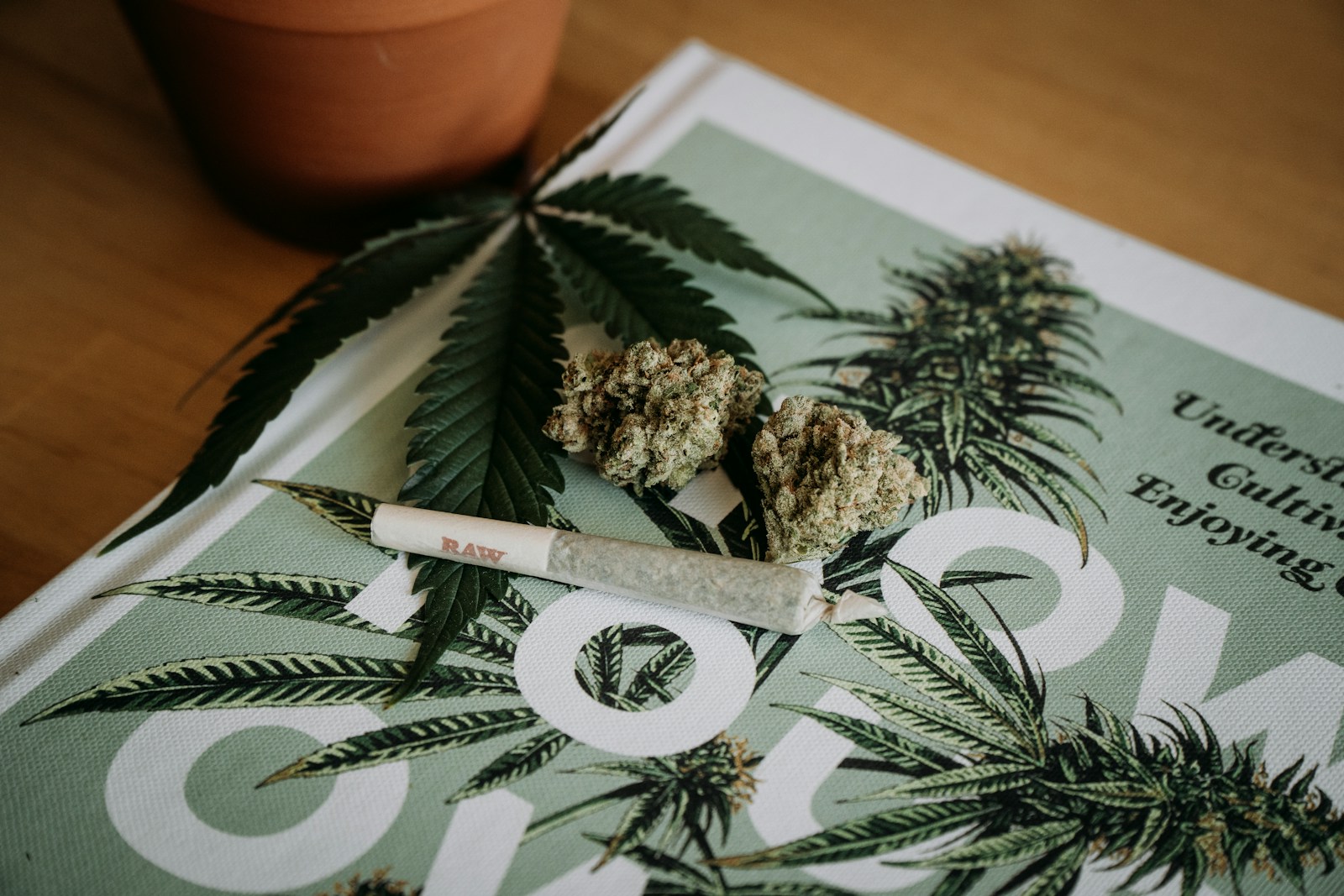
Cannabis, on the other hand, has been used for thousands of years for both medicinal and recreational purposes. Unlike MDMA, cannabis is a plant-based substance derived from the Cannabis sativa plant. The main active compounds in cannabis are THC (tetrahydrocannabinol) and CBD (cannabidiol), which have distinct effects on the body and mind. THC is the psychoactive compound responsible for the “high” associated with cannabis, while CBD is non-psychoactive and is often touted for its potential therapeutic properties, including pain relief and anti-anxiety effects.
Exploring the Medicinal Benefits of Cannabis
Over the past few decades, cannabis has gained acceptance as a legitimate medicinal treatment for a wide range of conditions. Medical cannabis has been used to alleviate chronic pain, reduce inflammation, manage nausea from chemotherapy, and treat conditions such as epilepsy and glaucoma. Research has also shown that cannabis may help individuals with mental health issues, such as anxiety, depression, and PTSD, in a similar way to MDMA. The key difference lies in the distinct compounds (THC and CBD) and how they interact with the body’s endocannabinoid system.
How MDMA and Cannabis Affect the Brain
Although MDMA and cannabis have different mechanisms of action, they both interact with the brain’s reward system. MDMA primarily stimulates serotonin release, leading to increased feelings of happiness and emotional connectivity. In contrast, cannabis works by binding to cannabinoid receptors in the brain and body, which can result in both relaxing and stimulating effects depending on the strain and the balance of THC and CBD.
The two substances also have different durations of action. MDMA’s effects usually last around 4 to 6 hours, while cannabis can have more variable effects depending on the method of consumption. Smoking or vaping cannabis may lead to quicker onset and shorter duration, while edibles can take longer to kick in but may provide longer-lasting effects.
The Legal Status of MDMA and Cannabis
Both MDMA and cannabis face legal challenges in many parts of the world, though cannabis has become more widely accepted in recent years. In many countries, cannabis is now legal for medical use, and some have even decriminalized or legalized recreational cannabis. In contrast, MDMA remains classified as a controlled substance in most places, despite growing interest in its therapeutic benefits. The legal status of MDMA may evolve over time, especially as research continues to highlight its potential in treating mental health disorders.
MDMA and Cannabis: The Future of Their Use in Society
As the stigma surrounding these substances continues to dissipate, both MDMA and cannabis are expected to become more integrated into society, especially in terms of medical use. Researchers are uncovering new ways that these substances can be used to improve mental health and overall well-being. Cannabis, in particular, has become a staple in wellness circles, with consumers using it to manage stress, sleep disorders, and chronic pain.
The future of MDMA is equally promising, particularly as clinical trials for PTSD and other mental health issues progress. If the legal framework catches up with the scientific research, MDMA could become an important part of psychotherapy in the coming decades.
How to Safely Use MDMA and Cannabis
While both MDMA and cannabis can have positive effects when used responsibly, they should not be taken lightly. MDMA, especially in recreational settings, can pose risks such as dehydration, overheating, and serotonin syndrome when taken in excessive amounts. It is essential to use MDMA with caution, and individuals should ensure they are in a safe environment, stay hydrated, and avoid combining it with other substances.
Cannabis, while generally considered safer, can still have side effects, particularly for inexperienced users or those with certain mental health conditions. It is essential to understand the strain, dosage, and method of consumption to avoid adverse reactions. Additionally, the legal implications of cannabis use vary by location, so it is important to stay informed about local laws.
The Intersection of MDMA and Cannabis Culture
The use of both MDMA and cannabis has intersected in the broader culture, particularly in the context of music festivals, parties, and wellness communities. These substances are often used in conjunction to enhance experiences and promote a sense of connection among individuals. However, as with any substance use, moderation and safety should always be a priority. Awareness of the legal status, health effects, and potential interactions of these substances is essential for responsible use.
In conclusion, while MDMA and cannabis may seem worlds apart, they share common ground in their ability to enhance human experience and offer therapeutic benefits. As research continues, it is likely that both substances will become more accepted and regulated for medical use, potentially changing the way we approach mental health and wellness. Whether you’re looking to buy MDMA for sale for research purposes or explore the benefits of cannabis, it’s essential to approach these substances with knowledge, responsibility, and caution.
For further reading on the medicinal benefits of cannabis, check out articles from National Institutes of Health.